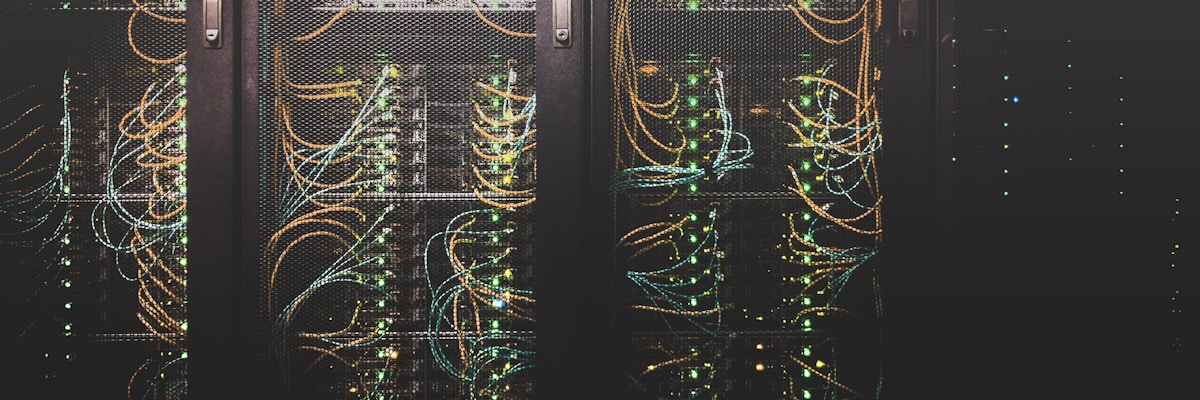
In today’s digital economy, your business network is the backbone of operations. From cloud computing to video conferencing, modern businesses depend on reliable, high-speed connectivity. Fiber optic networks offer significant advantages over traditional copper-based infrastructure. Here are the top five benefits of fiber optic networks for business growth.
📊 Key Insight: Businesses with fiber optic connectivity report 40% higher employee productivity and 30% lower network-related downtime compared to those using traditional copper networks.
1. Blazing Fast Speeds
Fiber optic networks transmit data at the speed of light, offering dramatically higher bandwidth than copper cables. While copper networks typically max out at 1 Gbps over short distances, fiber can deliver 10 Gbps, 40 Gbps, or even 100 Gbps to businesses. This speed enables:
- Instant access to cloud applications and data
- Seamless video conferencing without lag or buffering
- Fast file transfers and data backups
- Real-time collaboration across multiple locations
- Support for bandwidth-intensive applications like VoIP and streaming
2. Superior Reliability and Uptime
Fiber optic cables are immune to electromagnetic interference, radio frequency interference, and crosstalk—common problems that plague copper networks. They are also less susceptible to environmental factors like moisture and temperature changes. This reliability translates to:
- Fewer network outages and disruptions
- Consistent performance regardless of external conditions
- Lower maintenance costs over time
- Peace of mind for critical business operations
🔧 Technical Advantage: Fiber optic cables have a lifespan of 30-50 years, compared to 5-10 years for copper cabling, making fiber a superior long-term investment.
3. Enhanced Security
Fiber optic networks are inherently more secure than copper networks. Unlike copper cables that radiate signals that can be intercepted, fiber cables do not emit electromagnetic signals. Any attempt to tap a fiber cable causes light leakage that can be detected immediately. Security benefits include:
- Protection against data interception and eavesdropping
- Compliance with data protection regulations like GDPR
- Peace of mind for sensitive financial and customer data
- Reduced risk of cyberattacks targeting network infrastructure
4. Future-Proof Scalability
Investing in fiber optic infrastructure positions your business for future growth. As bandwidth demands increase with new technologies like AI, IoT, and 4K/8K video, fiber networks can scale to meet these needs without replacing cables. Scalability advantages include:
- Easy upgrades by changing only the electronics at each end
- Support for emerging technologies without infrastructure replacement
- Accommodation of business growth and expansion
- Protection of technology investments over decades
5. Competitive Advantage
In an increasingly connected marketplace, fiber optic connectivity provides a tangible competitive advantage. Businesses with fiber can operate more efficiently, serve customers faster, and innovate more quickly. Competitive benefits include:
- Faster response times to customer inquiries and orders
- Ability to support remote and distributed workforces
- Enhanced customer experience through reliable digital services
- Attraction and retention of technology-savvy employees
Conclusion
Fiber optic networks deliver transformative benefits for businesses of all sizes. From faster speeds and superior reliability to enhanced security and future-proof scalability, fiber is the smart choice for companies serious about growth. As fiber infrastructure expands across Africa, businesses that adopt fiber early gain a significant competitive advantage in the digital economy.